

Reni Odetoyinbo on why you should pay yourself first and have multiple streams of income
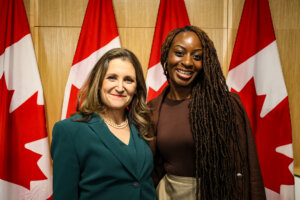
Social media content creator Reni Odetoyinbo started investing at age 18 and bought her first house at 23. Everyone wanted to know how she did it, so she started documenting her journey to home ownership on her YouTube Channel in 2020.
Odetoyinbo quit her full-time marketing job at a Big Six bank a year later, after she realized she was making an impact in the personal finance world. “There wasn’t much representation of Black Canadian women in the space,” says Odetoyinbo, who is based in Toronto.
In 2022, she launched the #ReniReturnsChallenge, an online accountability group, to help her followers stick to their financial plans. The group’s 100 members collectively saved $935,000 over one year and made a sizeable dent in their debts. If you have #moneygoals of your own, read Odetoyinbo’s investing, budgeting and saving tips.
Who are your financial heroes?
My financial hero is my dad. He started teaching me about money when I was only four years old. He taught me how to invest from the age of 18. My parents gave me a financial leg up by educating me from such an early age, and I will be forever grateful.
What is your money philosophy?
My money philosophy is to pay yourself first. This means putting your money towards your goals, like saving and investing, before anything else. It has benefited me immensely.
What’s your next money goal?
I’d love to reach a point where I can have a work-optional life. Where my investments are comfortably funding my life.
What is something you “treat yourself” to, that you don’t mind splurging on?
I will always treat myself to a nice vacation or a good meal! The limits do not exist when it comes to those two things.
What is your favourite possession?
My passport. So far I’ve been to 34 countries, and I hope to go to many more.
What is something you wouldn’t spend money on because you don’t think it provides good value?
I likely wouldn’t spend money on an expensive wedding. I don’t value it, and since it’s only one day, I don’t think it’s worth the expensive price tag that I typically see for weddings.
What’s the best money advice you’ve ever received?
That you don’t need a lot of money to start investing. You can start investing consistently with the little money that you have, and it will compound.
What’s the worst money advice you’ve ever received?
“Don’t invest in anything except mutual funds.”
Can you share a money regret?
My only money regret is not investing more money earlier.
What is something you post about that you think Canadians need to hear now?
Canadians need to know that having one source of income is too close to having none. With rising inflation, layoffs and interest rates skyrocketing, it’s risky to place all your eggs in one financial basket.
What is the biggest misconception people have about growing money?
A lot of people believe that you need to have a lot of money in order to grow your money, so they wait to accumulate wealth before ever investing or saving. Do not despise the days of small beginnings! Time is one of the most important factors in growing your money.
Do you use a budget?
Yes, I do. I use a zero-based budget system where I allocate a job to every dollar. Whether it’s saving, investing, mortgage payments or groceries, every dollar I expect to make is assigned a task. I also update my budget on a weekly basis, which most people don’t do. This helps me see if I’m on track or not.
What is your investment strategy?
I am primarily a self-directed investor. I dollar-cost average into broad-market index ETFs and a select few individual growth stocks. I also have a robo-advisor portfolio that I contribute to monthly.
What is your take on debt?
In the western world, debt is a part of life and helps you survive in this credit-based economy. I think debt is not inherently bad. How you manage it and use it to your advantage is the key. Credit card debt and payday loans are the exception—those are just straight up bad.
Which tools do you recommend for managing personal finances?
- For budgeting: Consider tools like Excel, Google Sheets or Mint.
- For investing: Consider using platforms like Wealthsimple or TD Direct Investing.
I also offer some personal finance tools that are helpful for saving and budgeting. You can find my Financial Goal Tracker for $7.99 on Etsy, or my Savings Plans (bi-weekly, monthly or semi-monthly plans), available through my website for free.
What advice would you give to a young Canadian who is just starting to learn about personal finance?
Do your research, and try to learn from many different sources. Understand that personal finance is personal, and what works for someone else may not work for you, so adapt your plan to fit your own needs. You can do this—you are more than capable!
My MoneySense quick questions
Rent or own?
Depends on my long-term goals. Ideally both!
Buy or lease?
Buy.
Save or invest?
Invest.
Budget or not?
Budget!
Read more My MoneySense profiles:
- The one thing influencers Steph & Den want you to know about retirement
- The Pink Tax author Janine Rogan on how she stopped impulse buying and started building wealth
- Kristy Shen on living the FIRE life and using money to “buy back time”
- Shannon Lee Simmons defines “emotional return on investment” and her take on personal debt
- Mixed Up Money’s Alyssa Davies on striving for CoastFIRE, the value of time, and more
The post Reni Odetoyinbo on why you should pay yourself first and have multiple streams of income appeared first on MoneySense.

No comments