

Saving on purchases and for emergency funds, Canada’s extreme couponer shares her secrets
Who doesn’t want to save money. But Kathleen Cassidy takes it to the extreme… with extreme couponing. It all started when she was a student at McMaster University, couponing to get better value for her purchases and her money. Now, still living in Hamilton, Ont., she’s using her savvy to educate Canadians on being thrifty, and she recently partnered with PC Financial as a spokesperson. Known on her popular social channels @LivingonaLoonie, she encourages her Canadian followers to save money, one loonie at a time.
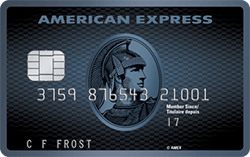
Earn 5 times the points on groceries and restaurants. Redeem points for flights on any airline.
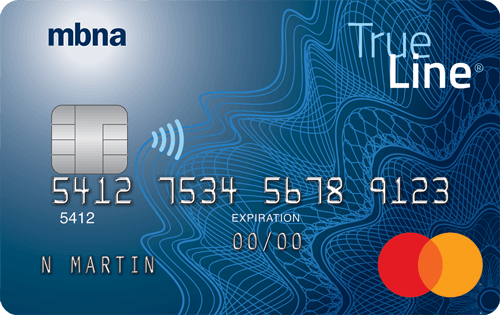
An ideal option for cardholders looking to manage debt, the card’s low 12.99% APR is almost half the conventional interest rate found on most cards.
Earn 4% cash back on groceries, plus 4% on recurring bills and 2% on transit.
MoneySense is an award-winning magazine, helping Canadians navigate money matters since 1999. Our editorial team of trained journalists works closely with leading personal finance experts in Canada. To help you find the best financial products, we compare the offerings from over 12 major institutions, including banks, credit unions and card issuers. Learn more about our advertising and trusted partners.
Who are your money heroes?
I always admire individuals who have successfully created their dream lifestyle, while still having the means to give back to the community.
How do you like to spend your free time?
Most of my free time is spent focusing on Living on a Loonie and helping Canadians save money. I started Living on a Loonie to help save on costs when I was a university student. I haven’t looked back since. I continue to share videos with easy-to-follow saving tips on groceries, clothing, travelling and more.
Aside from that, I love to hang out with family and friends, enjoy some good food and attend concerts or sporting events.
If money were no object, what would you be doing right now?
One of my passion projects is helping to fight food insecurity within Canada and the world. Couponing has allowed me to do this on a local level, but I would love to be able to give back on a larger scale.
What was your earliest memory about money?
Counting fake coins in elementary school is my earliest memory about money. It helped me better understand the basics of money.
What’s the first thing you remember buying with your own money?
Clothing. I used to get so excited for my birthday or other holidays. I would get money and run straight to the mall. Looking back now it wasn’t the smartest decision, but I’ve come a long way with my money management skills.
What was your first job?
I was a cashier at a hardware store. My first pay cheque was probably for a concert ticket.
What was the biggest money lesson you learned as an adult?
Have a credit card that works for you. When I got my first credit card, I never received any points, cash back or rewards. It was only years later I realized the card I had didn’t fit my lifestyle.
Now, being more budget-conscious, I love using my PC Mastercard. It allows me to earn PC Optimum points on my everyday purchases, everywhere I spend. And the best part is, not only can I redeem those points for free groceries and other essentials, sometimes I like to treat myself and redeem on items that I’ve been vying for, like a cute outfit from Joe Fresh or the season’s hottest perfume scent.
What’s the best money advice you’ve ever received?
There’s no way to “get rich quick.” It takes time and planning to grow your money and make it work for you.
What’s the worst money advice you’ve ever received?
It’s not necessarily advice, but just the peer pressure to measure up to others. This can cause individuals to make financial decisions that don’t work for them or their lifestyle.
If you’ve ever experienced this, my piece of advice is whenever you are feeling FOMO (fear of missing out), take a step back and get a better understanding of your personal goals versus what the people around you are doing.
Would you rather receive a large sum of money all at once or a smaller amount of money regularly for life?
Receive a large sum of money all at once. This way I can build a plan around the dollars I receive and make them work for me.
What do you think is the most underrated financial advice, tip or strategy?
Couponing. And I’m not only talking about the paper coupons you clip from newspapers. Couponing and budgeting has evolved a lot since, you can find an app for everything! Like the PC Financial app that shows you customized offers based on your spending habits.
My strategy is finding programs that fit your spending habits. From loyalty points programs, price matching or cash back apps, I recommend shifting to a strategy that works with your everyday purchases.
For me, that’s the PC Mastercard and PC Optimum program. I’ve been using this program for years and it’s helped me save hundreds of dollars and save every month. By earning PC Optimum points everywhere I shop using my PC Mastercard, I’m able to fast forward to free and redeem on essentials like groceries, or reward myself with items I want, like face masks and makeup from Shoppers Drug Mart.
It takes a little bit of time and effort to grow these habits, but I save hundreds of dollars a month by doing this!
What is the biggest misconception people have about growing money?
It’s a scary and complicated process. Like any new hobby, it takes time and effort to learn and see the results. But learning how to manage your money can be so rewarding.
When I first started couponing and smart spending, I didn’t know what I was doing. But now, I’m able to share my expertise with others, because I got past the scary and complicated process.
Can you share a money regret?
Not tracking my spending sooner. Tracking my spending allows me to see where my money is coming from and going. This has been a huge eye-opener throughout my transition to being an adult. It prepared me for the future and is a tool I will continue using for decades to come.
Plus, there are free tools that take the work out of managing your finances. I love using the PC Financial app because it allows me to track my spending and set budgets all in one place. Staying on top of my finances has never been easier.
What does the word “value” mean to you?
Time and memories. I value my time as time is money. If I can spend money to get a job done quicker and it’s within my means—why not?
I also value the memories I make when spending money. Spending on travelling, food and events create valuable memories I can take with me for years to come.
What was the first major purchase you made as an adult?
As of today, it’s my car. There’s a lot to consider besides the make and model you buy. There’s how much gas you will use, the insurance payments, maintenance prices for that make/model and more. It is a big financial purchase, but one that makes sense given my current lifestyle.
What’s your take on debt?
Canadians are concerned about their spending and financial situations. With the increasing cost of living, rising interest rates and the looming possibility of a silent recession, we’re seeing the impact it’s having on the daily lives of Canadians.
With the current economy, almost every Canadian has or is experiencing debt.
But nobody talks about it. We can all learn a lot from being open about money and budgeting strategies, so let’s stop being ashamed and talk about it.
What was your most recent splurge?
My husband and I finally went on our honeymoon after getting married during the pandemic.
What is the last money-related book you read?
Think and Grow Rich (Sound Wisdom, 1937) by Napolean Hill. I love the perspective on money and overall wealth. It was a real eye-opener and got me thinking differently about wealth and what it means.
What is something you always have in your wallet?
Ways to help you save. I always have my PC Mastercard wherever I go, as it allows me to rack up PC Optimum points fast. It can be hard to find a loyalty program where you actually see the rewards, but the PC Mastercard is one of the tools I use every single day. It’s one of the reasons I save on average $200 to $300 every month. I don’t go anywhere without it.
What is your favourite possession?
My favourite possession would be my pet rabbit.
What’s your next money goal?
I need to sit down and re-evaluate my five-year financial plan. I want to learn more about investing based on where I’m at in life right now.
My MoneySense quick questions
Rent or own?
That’s a hard question, given today’s housing landscape. In a perfect world rent until you know where you want to settle down, then own.
Buy or lease?
It totally depends on your individual circumstances here.
Save or invest?
Start saving for your emergency fund, then explore investing opportunities.
Budget or not?
Budget, but remember budgets are flexible.
Read more My MoneySense profiles:
- Money tips from Jordan Heath-Rawlings: “Make sure you can afford a sudden expense”
- Tareq Hadhad unpacks his investing journey and how Peace By Chocolate came to be
- Allan Small on his glass-half-full view of the markets and managing risk
- Julie Shipley-Strickland and Bryan Borzykowski: The best money advice from two of the best in the biz
The post Saving on purchases and for emergency funds, Canada’s extreme couponer shares her secrets appeared first on MoneySense.
No comments